

1

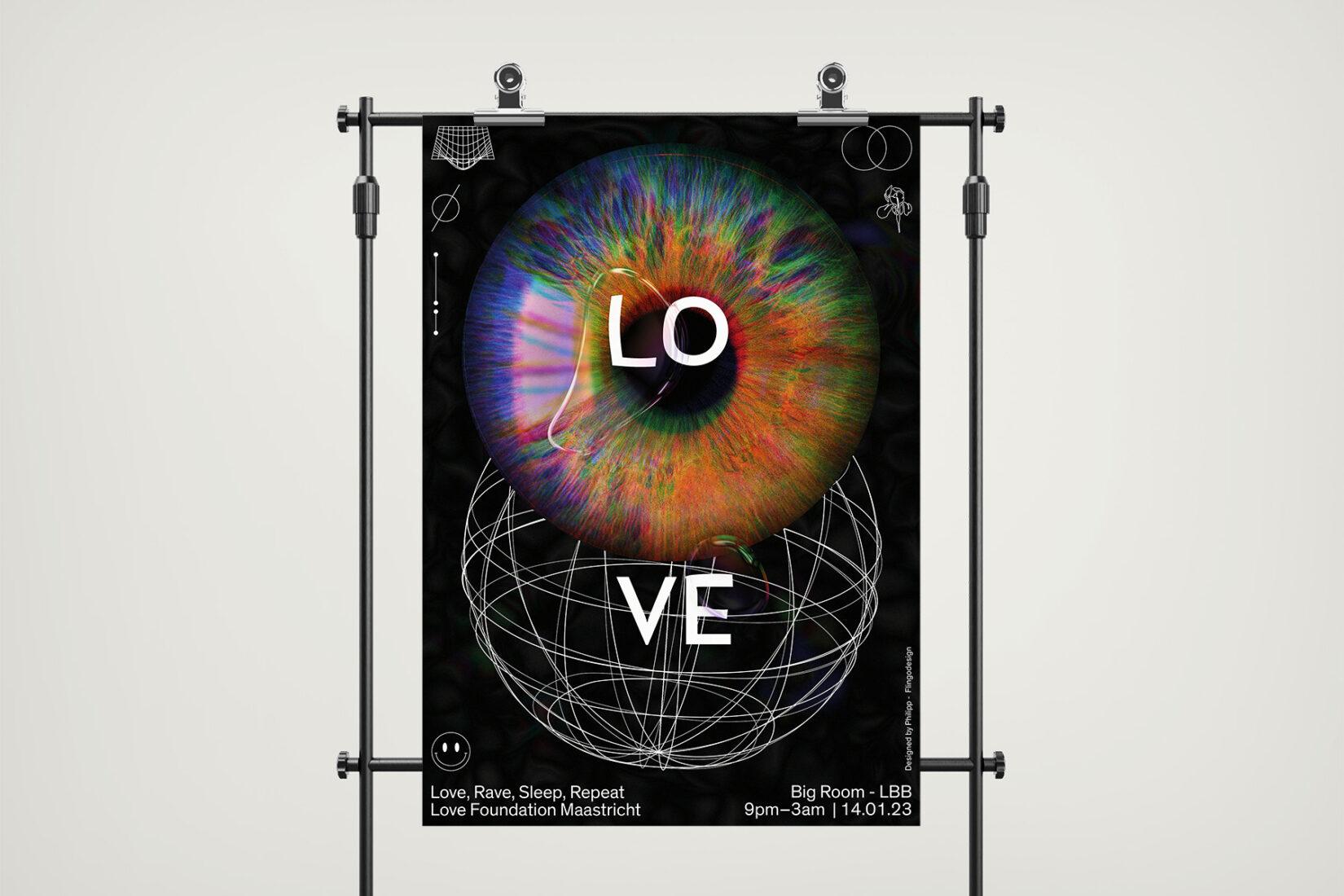
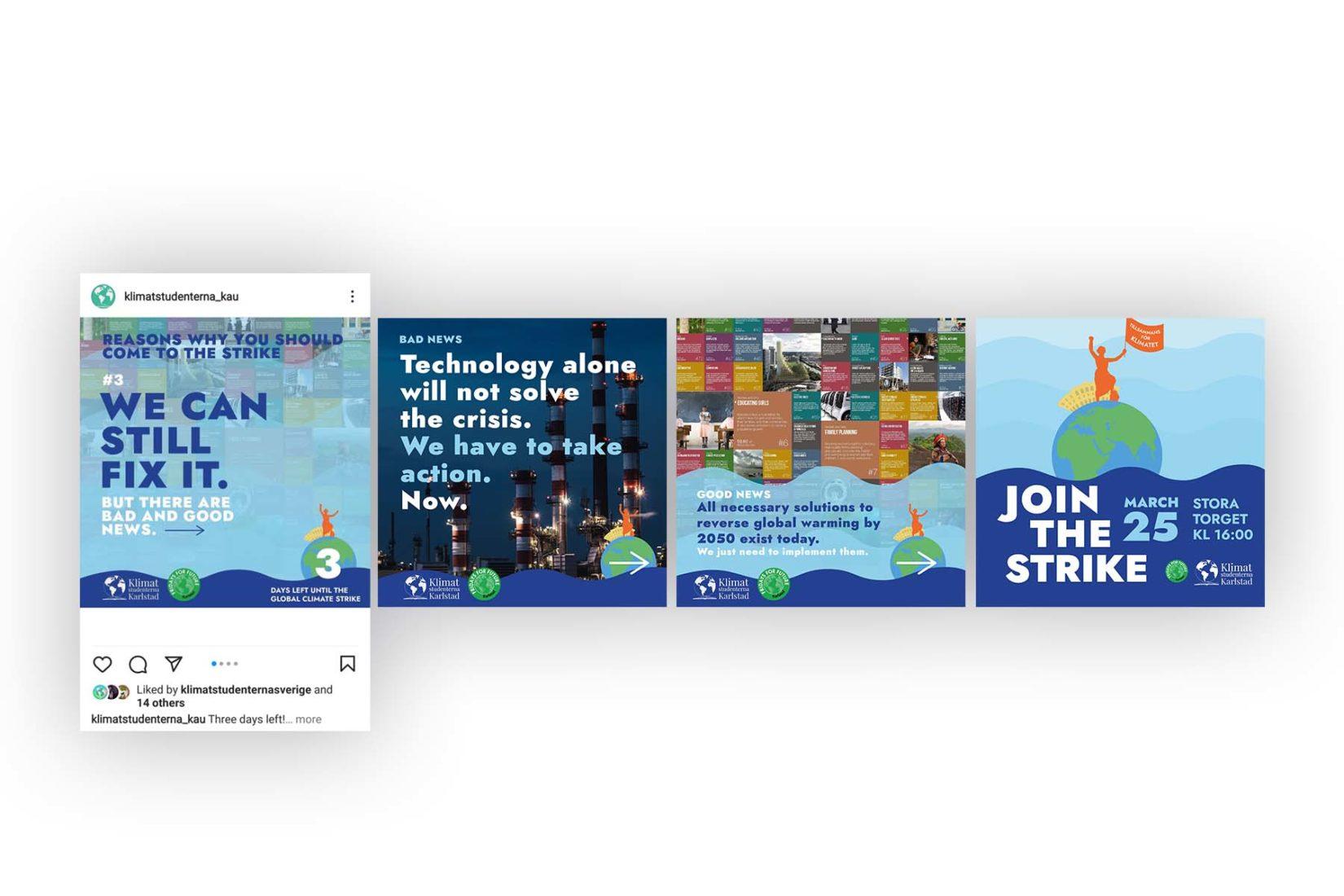
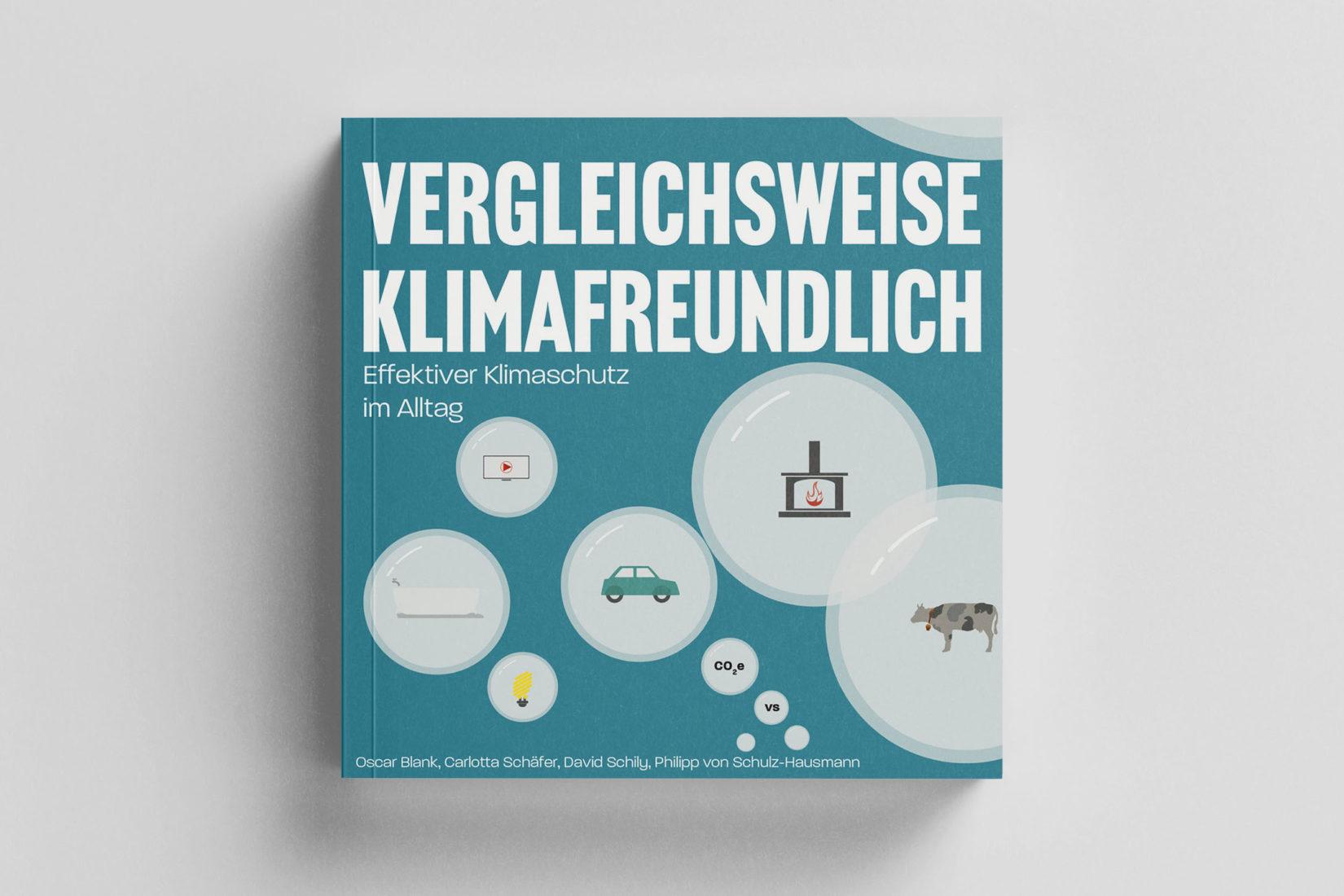
Science communication is becoming an increasingly integral part of modern research funding. We bridge the gap between science and society by communicating complex research in a nuanced and accessible way.

As a team with an academic background and expertise in science communication, we take on communication-related tasks within research projects, thereby helping to relieve the burden on research teams.

Science communication is gaining importance, increasingly becoming part of researchers’ responsibilities, and is at the same time more frequently a requirement of funding bodies, such as EU, BMBF, or DFN funding programmes.

Strengthening digital visibility, fostering public understanding of research, and communicating the added value of scientific work pose significant challenges for many research projects, especially in light of demanding project timelines, limited budgets, and fixed-term contract structures. 2

Digital media and social networks are evolving rapidly, opening up new spaces for scientific visibility. At the same time, the complexity of formats and channels is increasing. Researchers face the challenge of maintaining disciplinary precision while communicating in an accessible way, without resorting to oversimplification or risking reputational harm.

At the same time, questions of “impact” and societal transfer are gaining weight. Funding institutions increasingly require demonstrable reach and public engagement. Communication thus becomes an integral part of project planning.

Against this backdrop, professional support in implementing science communication offers a meaningful option for ensuring both efficiency and quality.

Science communication is becoming an increasingly important requirement, presenting many research projects with complex challenges. Professional support helps to address these efficiently and to a high standard.

Science communication is gaining importance, increasingly becoming part of researchers’ responsibilities, and is at the same time more frequently a requirement of funding bodies, such as EU, BMBF, or DFN funding programmes.

Strengthening digital visibility, fostering public understanding of research, and communicating the added value of scientific work pose significant challenges for many research projects, especially in light of demanding project timelines, limited budgets, and fixed-term contract structures. 2

Digital media and social networks are evolving rapidly, opening up new spaces for scientific visibility. At the same time, the complexity of formats and channels is increasing. Researchers face the challenge of maintaining disciplinary precision while communicating in an accessible way, without resorting to oversimplification or risking reputational harm.

At the same time, questions of “impact” and societal transfer are gaining weight. Funding institutions increasingly require demonstrable reach and public engagement. Communication thus becomes an integral part of project planning.

Against this backdrop, professional support in implementing science communication offers a meaningful option for ensuring both efficiency and quality.

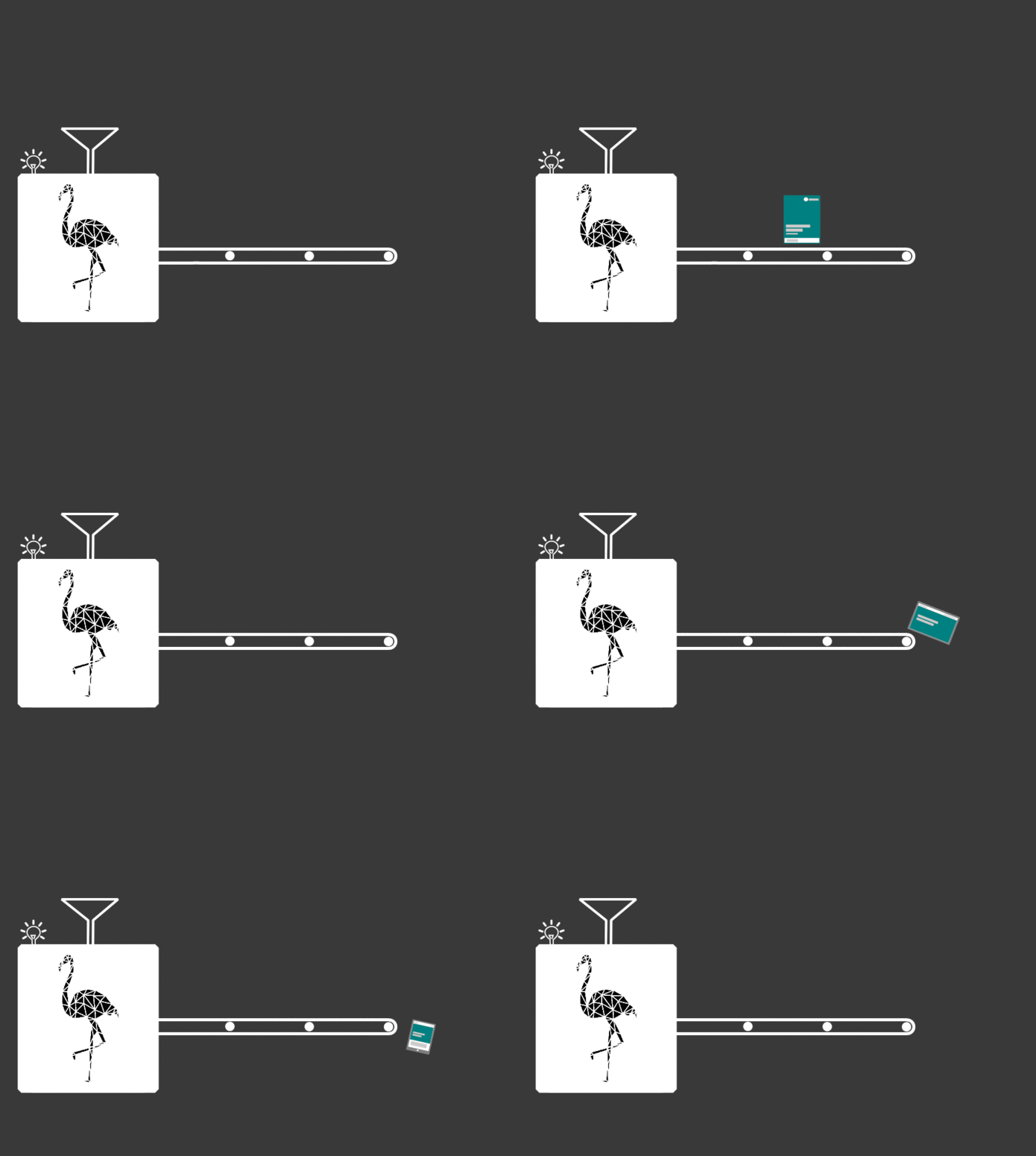
To address these challenges, we develop communication solutions for and with you that:

  • uphold scientific precision, nuance, and quality
  • align with the structured, communicative, and long-term working practices of researchers
  • are tailored to the content-related, temporal, and financial frameworks of research projects
  • are grounded in insights from communication science
  • consist of a strategic, target group-oriented mix of channels (such as websites, print media, digital media, etc.), individually adapted

Our goal is to achieve the greatest possible reach and impact for your research and its results, with a manageable level of effort on your part and without compromising nuance or quality.

To this end, we rely on cooperative, transdisciplinary collaboration and ensure that you retain full control.

We work with you to develop tailored communications solutions that ensure scientific quality and adapt flexibly to your research projects. This enables you to achieve maximum reach and impact with minimal effort.

To address these challenges, we develop communication solutions for and with you that:

  • uphold scientific precision, nuance, and quality
  • align with the structured, communicative, and long-term working practices of researchers
  • are tailored to the content-related, temporal, and financial frameworks of research projects
  • are grounded in insights from communication science
  • consist of a strategic, target group-oriented mix of channels (such as websites, print media, digital media, etc.), individually adapted

Our goal is to achieve the greatest possible reach and impact for your research and its results, with a manageable level of effort on your part and without compromising nuance or quality.

To this end, we rely on cooperative, transdisciplinary collaboration and ensure that you retain full control.

1.

Briefing

We familiarise ourselves with the project

2.

Proposal

We develop how the project can be implemented

3.

Strategy

Synthesis of goals, target groups, and the channels through which they can be reached

4.

Implementation

Execution by our team

5.

Evaluation

Assessment and refinement of the strategy

The result is strategically aligned, quality-assured science communication that strengthens reach and societal relevance while conserving internal resources.

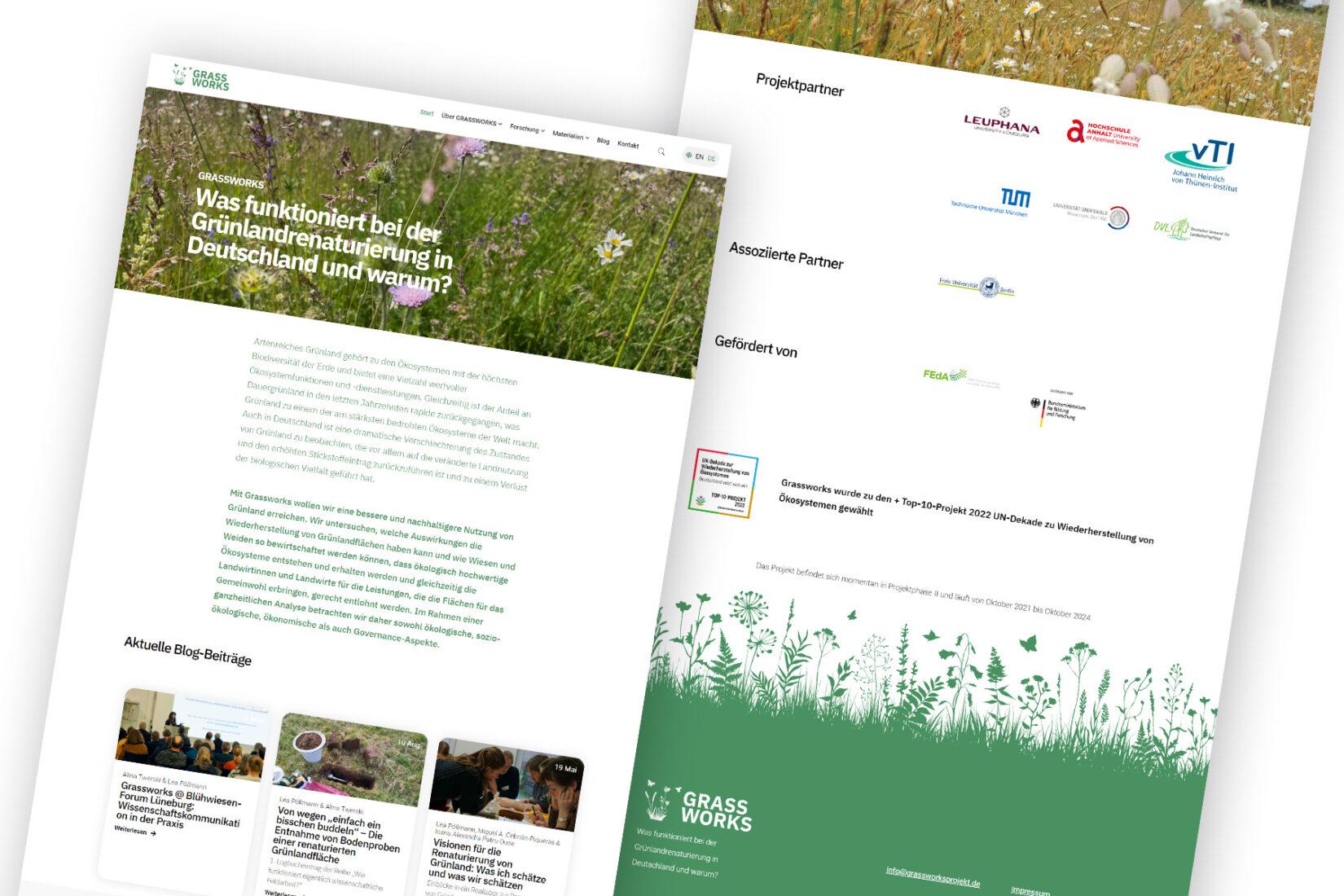
GRASSWORKS

For the research project involving several universities and research institutions, we developed a logo, a website and PowerPoint templates for posters and presentations.

Müritz-
Nationalpark

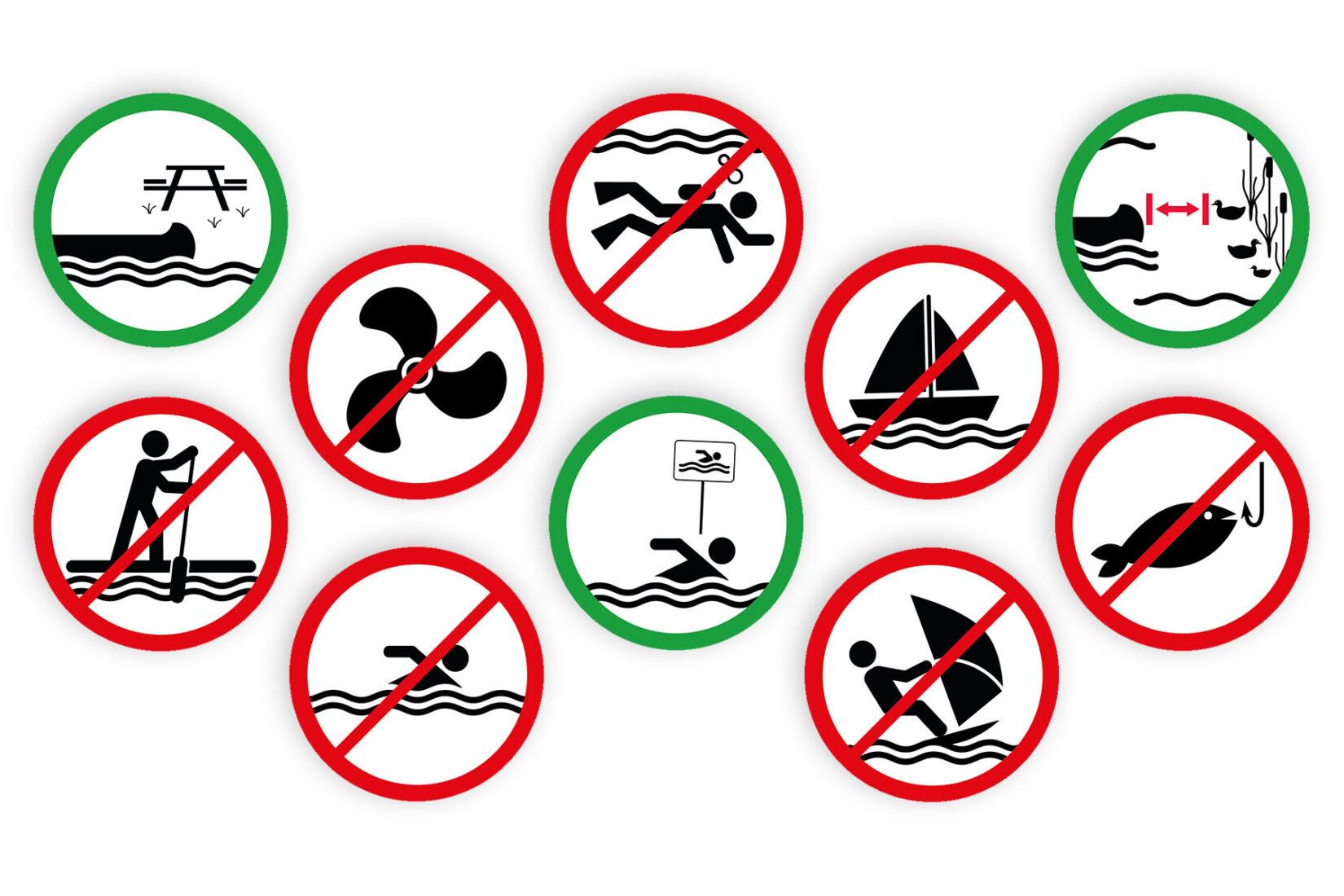
For the Müritz National Park, we developed the content for information boards on topics relating to ecology and biodiversity, and designed pictograms illustrating the national park rules.

3

Leuphana University Lüneburg

Müritz-
Nationalpark

Universität
Passau

Let’s discuss your project without obligation and develop solutions that align with your vision and budget. Write to us or give us a call.

Referenzen

  1. Höning, D., Willeit, M., Calov, R., Klemann, V., Bagge, M., & Ganopolski, A. (2023). Multistability and transient response of the Greenland ice sheet to anthropogenic CO2 emissions. Geophysical Research Letters50(6), e2022GL101827. https://doi.org/10.1029/2022GL101827[]
  2. Fähnrich, B., Wilkinson, C., Weitkamp, E., Heintz, L., Ridgway, A., & Milani, E. (2021). RETHINKING science communication education and training: towards a competence model for science communication. Frontiers in Communication, 6, 795198. https://doi.org/10.3389/fcomm.2021.795198[][]
  3. Images from left to right:
    Small Garnet-eyed Skipper. Photo: Deecotee, via Wikimedia Commons, CC BY-SA 4.0.
    Male Aurora moth on cuckoo flower. Image: jeannie debs, via Flickr, CC BY 2.0.
    Caterpillar of the Aurora moth. Image: Gilles San Martin, via Flickr, CC BY-SA 2.0.[]